October 19, 2026
What Humidity and Heat Mean for Gutter Maintenance in the Mount Dora Area
By @larrysguide834
If you spend any time caring for a home in the Mount Dora area, you learn pretty quickly that gutters in Florida have a different job than gutters in a cooler, drier climate. They are not just there to catch a little rain and move it away from the roof. They have to deal with long stretches of humidity, sudden downpours, windblown debris, and the kind of summer weather that can dump a lot of water in a short window.
That combination changes how gutters age, how often they clog, and what kind of maintenance actually works. It also changes the timing. In places with long winters, homeowners often think in terms of spring and fall cleanup. Around Mount Dora, the calendar is more tied to the wet season, tree drop, and storm patterns. If you wait until a gutter looks bad from the ground, you are usually behind.
I have seen this play out again and again across Central and North Florida. A gutter can look fine from the driveway, but once you get close, the trough is holding damp leaf matter, pine needles are packed at the outlet, and the downspout is already restricted. In dry weather, that problem stays hidden. Then the first hard summer storm hits, and suddenly water is sheeting over the front edge, splashing onto siding, soaking planting beds, and collecting around the foundation line.
Why Mount Dora gutters take a beating
Heat by itself does not clog a gutter. Humidity by itself does not pull a fastener loose. The issue is what these conditions do over time when they mix with heavy rain and yard debris.
Central Florida’s warm season brings frequent thunderstorms, tropical moisture, and repeated wetting cycles. Gutters get soaked, then sit in warm, moist air. Debris does not dry out as quickly as people expect. Instead of turning crisp and blowing away, leaves and needles often mat together. Small twigs settle into that layer. Acorns and seed debris can lodge near outlets. Once that buildup holds moisture, it acts less like loose yard waste and more like a damp plug.
Tree cover makes the problem more local and more unpredictable. One house on a street may have only minor debris, while the house next door is dealing with live oak leaves, acorns, pine needles, and small limbs. That is common in this part of Florida, where mature landscaping adds shade and curb appeal but also loads the drainage system. If debris is left in place, it does not just affect the gutter. It can interfere with how stormwater moves off the roof and away from the home.
This is one reason gutter maintenance Florida homeowners need is not a once-a-year chore. In many neighborhoods, it is a repeating cycle tied to weather and trees.
Humidity changes the nature of a clog
A dry clog and a humid-climate clog are not the same thing.
In a drier region, debris may sit loose in the gutter for a while. In Mount Dora conditions, the material often stays damp, settles, and compacts. Pine needles can weave together. Leaves soften and flatten. Fine grit from roof runoff mixes in and creates a heavier mass. It does not take a complete blockage to create trouble. Even a partial restriction slows the flow enough that a hard storm can overwhelm the system.
That matters because Florida rain is often intense, not gentle. During a steady light rain, a partly obstructed gutter might still appear to work. During a fast-moving thunderstorm, the same gutter may fail at the corners, the downspout openings, or any low point where water meets resistance.
Humidity also makes maintenance messier. Debris is heavier to remove, and once it starts decomposing it smears rather than lifts cleanly. That is where routine service makes a difference. A homeowner who stays ahead of buildup usually faces a straightforward cleanup. A homeowner who delays through part of the wet season often ends up with compacted sludge, overflow stains, and in some cases sections that need adjustment or repair.
Heat speeds up wear in less obvious ways
People often focus on rain volume, but heat has its own effect on gutter systems. High temperatures can stress materials over time, especially at connections, hangers, and seal points. You may not notice that movement day to day. Over months and seasons, though, heat and moisture together can expose weak spots.
That is one reason seamless gutters are so popular in this region. Fewer joints generally mean fewer places where leaks can begin. For homeowners comparing options, seamless gutter installation Leesburg FL and seamless gutters Gainesville FL are not just search terms people use online. They point to a practical preference for systems designed to reduce joint-related issues in wet, humid conditions.
Even with seamless systems, heat still matters. Expansion and contraction can affect alignment. Fasteners can loosen if the fascia or mounting points stay wet too often. A slight pitch problem that would be minor in a mild climate becomes much more noticeable when a Florida storm pushes a high volume of water through the run.
I have seen homes where the gutter itself was not badly clogged, but one sagging section created a standing-water pocket. In warm weather, that pocket never really dries. Debris collects faster there, the area grows heavier, and the whole problem feeds itself. By the time the owner notices staining or overflow, what started as a pitch correction may now require more involved gutter repair Gainesville FL homeowners would rather have avoided.
The wet season exposes every weak spot
There is a reason gutter issues seem to appear all at once in summer. Warm-season storms are a stress test.
A gutter can limp along for months with a minor blockage, a slightly loose downspout, or a corner that is not draining quite right. Then the wet season arrives, rain comes in bursts, and every small issue gets amplified. Water does not politely wait for a slow system to catch up. It finds the fastest path, whether that means overshooting the trough, backing up at an outlet, or spilling over a low section.
Homes around Mount Dora are not unique in that sense. The same pattern shows up in nearby service areas where homeowners look for gutter cleaning Leesburg FL, gutter cleaning and repair Ocala FL, or gutters The Villages FL because the weather pushes systems hard over a long season. What changes from house to house is the mix of debris, shade, and roof layout.
A simple roofline with little tree cover may only need periodic cleaning and inspection. A more complex roof under mature oaks or pines may benefit from a tighter service schedule and, in some cases, guards placed where they solve a real problem rather than create a false sense of security.
Gutter guards help, but they are not magic
A lot of homeowners ask the same basic question: if humidity and debris are such a problem, should I just add gutter guards and stop worrying about it?
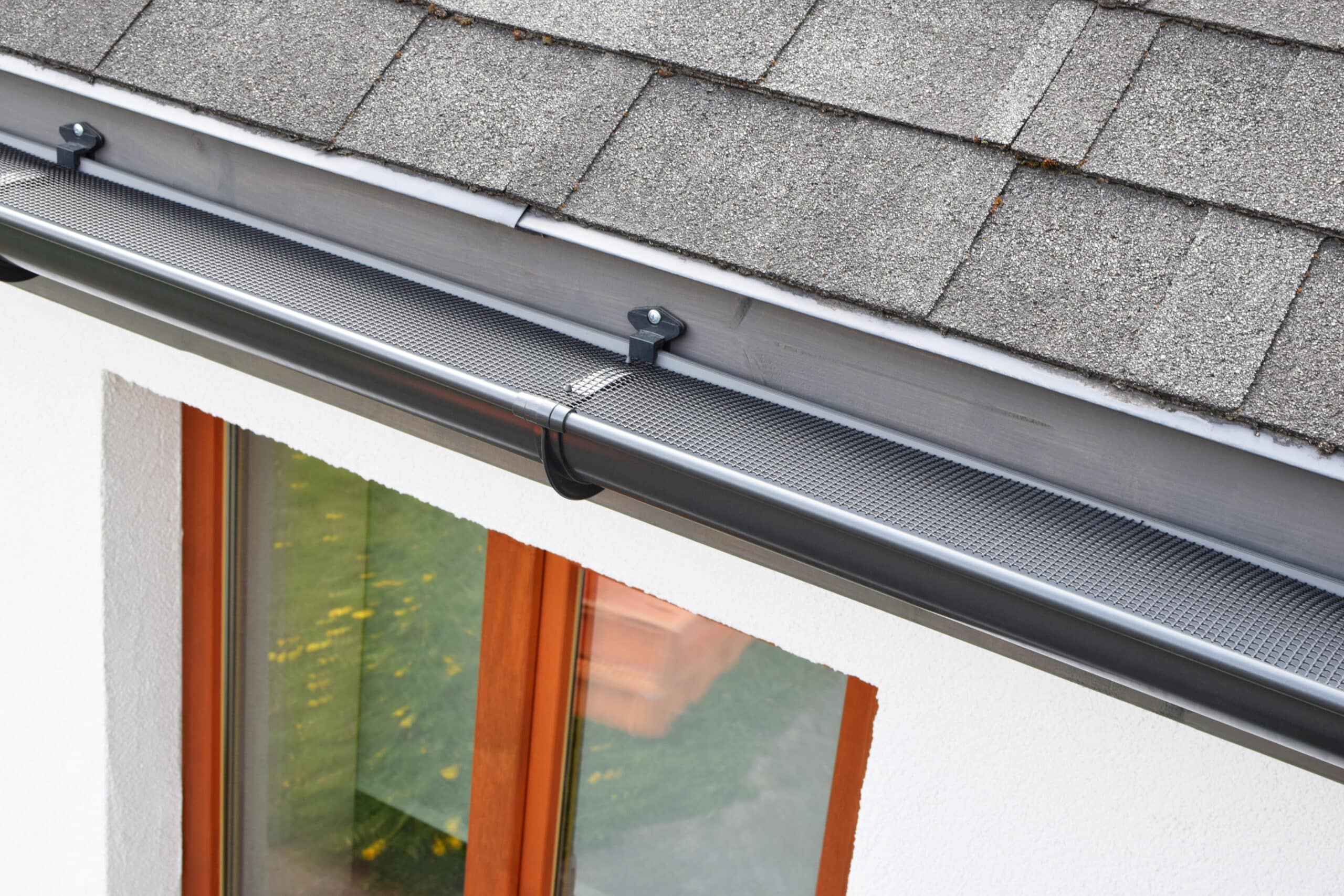
The honest answer is that guards can help a lot, but they are not a maintenance eraser. Different guard styles handle debris differently. Mesh and micro-mesh products can do a good job keeping out larger material while still allowing water in. Other styles, such as brush, foam insert, PVC cover, or reverse-curve designs, each have trade-offs. The right fit depends on the roof, the nearby trees, and what kind of debris falls most often.
In this climate, the key issue is not just keeping leaves out. It is how the system behaves when fine debris, moisture, and repeated storms all come together. Pine needles, small leaf fragments, and seed matter can test some guard styles more than broad leaves do. A setup that works well in one yard may struggle in another yard just a few miles away.
That is why I usually tell homeowners to think about gutter guard installation Central Florida as a tool, not a shortcut. Good guards can reduce the amount of debris entering the gutter and cut down on cleaning frequency. They can also help during heavy leaf drop. But they still need inspection, and the top surface or entry points can still collect material. If someone promises you that guards mean you will never have to look at your gutters again, be careful.
For homes with dense tree cover, gutter guards Gainesville FL homeowners choose should be selected with a clear eye on local debris patterns, not just on the sales pitch.
What homeowners usually notice first
Most people do not climb up and inspect gutters after every storm, which is sensible. What they do notice are the visible clues. The trick is learning which clues point to a minor maintenance need and which suggest a larger drainage problem.
Here are some common warning signs worth taking seriously:
- Water spilling over the front edge during rain
- Downspouts that drip weakly or not at all in a heavy storm
- Dark streaks or staining on fascia or siding near the gutter line
- Damp, packed debris visible from a ladder at the outlets
- Sections that appear to sag or hold standing water after rain
None of these automatically means the whole system is failing. Sometimes the fix is simply clearing a blockage. Sometimes it is a matter of rehanging a section, adjusting pitch, or replacing a damaged piece. The important part is timing. In Florida, a small drainage issue rarely stays small for long during the rainy stretch.
Debris from local trees is more than a nuisance
Live oak leaves and acorns are a classic example of debris that seems harmless until it is not. A few leaves scattered in a gutter are not a crisis. But once they collect with acorns and roof grit, they can narrow the water path quickly. Pine needles are another common culprit. They slide easily into gutters and downspouts, where they can tangle and build a surprisingly stubborn blockage.
Small limbs after windy weather are the wildcard. A gutter may have been draining well one day and half blocked the next because a twig lodged across an outlet and started catching everything behind it.
This matters for more than overflow. Plant debris left in runoff paths can clog drainage and contribute to dirty water moving through the property. Keeping gutters and downspouts clear is part of basic stormwater housekeeping. It protects the home, and it also keeps yard waste from being carried where it should not go.

One thing I often recommend is paying attention after the first storm following a period of leaf or needle drop. That first event tells you a lot. If water exits cleanly and strongly through the downspouts, the system is probably keeping up. If you see spillover, splashback, or slow discharge, there is likely a restriction already in place.
Timing matters more than people think
The biggest maintenance mistake in the Mount Dora area is not always neglect. Often it is poor timing. A homeowner may clean the gutters at some point in spring, assume the job is done, and then miss the fact that debris load increases again as summer storms and tree drop continue.
A better approach is to line up maintenance with weather patterns and what your property actually produces. Homes with minimal overhang from trees can often go longer between service visits. Homes under heavy canopy may need more attention, especially ahead of the wettest part of the year.
A practical schedule often looks like this:
- Inspect before the wet season begins, so small issues are fixed before heavy rain tests them
- Check again after periods of active tree drop, especially if you have oaks or pines
- Look over the system after stronger storms, when small limbs and concentrated debris often show up
- Reassess guard performance if you already have guards and still see overflow or slow drainage
- Address minor repairs quickly, because sagging and loose sections worsen faster in repeated rain
That rhythm works better than picking one random month every year and hoping for the best. A good gutter contractor Central Florida homeowners trust will usually talk in those terms, because local weather does not behave like a neat four-season checklist.
Repair or replace, how to judge the difference
Not every problem calls for new gutters. Sometimes the smart move is a targeted repair. If the system is structurally sound and the issue is isolated, clearing a blockage, resecuring a downspout, correcting slope in one section, or replacing a damaged piece may be enough.
Replacement starts to see details make more sense when trouble is repeated across multiple areas, especially if the gutter design itself is part of the problem. Older sectional systems with multiple joints may be more prone to recurring leaks and maintenance headaches. That is where gutter installation North Florida homeowners consider often shifts toward seamless systems, since fewer seams can simplify long-term upkeep.
The decision should come down to condition, not just age. A well-installed system that is maintained regularly may serve well for years. A poorly pitched or repeatedly patched system can turn into a money drain. I have seen homeowners pay for several rounds of small repairs when the better call would have been to replace problem sections with a cleaner, more dependable setup.
The local environment should factor into that decision too. In hot, humid, rain-prone areas, reliability matters. A system that only works when conditions are mild is not much use in the weather that actually challenges it.
Why professional maintenance often pays for itself
There are certainly homeowners who handle gutter cleaning safely and thoroughly on their own. But many properties in this part of Florida have combinations of roof height, landscaping, and debris type that make professional service worthwhile.
A professional inspection does more than remove visible debris. It can catch a loose strap, a misaligned downspout, a section holding water, or early signs that guards are not performing as expected. Those details are easy to miss from the ground, and they are often the reason a gutter still overflows even after a cleanup.
For homeowners comparing service options around Leesburg, Gainesville, Ocala, The Villages, or nearby communities, the main value is not just convenience. It is consistency. Regular service reduces the chance that a hidden problem will sit undetected until a major rain event reveals it in the worst possible way.
That is why searches like gutter cleaning Leesburg FL, gutter repair Gainesville FL, or seamless gutters Gainesville FL tend to rise when the rainy stretch gets going. The weather forces the issue. By then, people are not asking whether gutters matter. They are asking how quickly someone can get them flowing again.
A realistic approach for Mount Dora homeowners
The best gutter plan for this area is not complicated, but it does need to be realistic. Expect humidity to keep debris damp. Expect summer storms to test every low spot and partial clog. Expect nearby trees to influence how often your system needs attention. If you add guards, expect reduced maintenance, not zero maintenance.
A well-performing gutter system in Mount Dora usually comes down to three things: proper installation, sensible inspection timing, and quick response when something starts to slip. That applies whether you are looking at gutter guard installation Central Florida, replacing an older setup with seamless gutter installation Leesburg FL, or simply keeping up with routine gutter maintenance Florida homes need year after year.
The homes that fare best are rarely the ones with the fanciest sales package. They are the ones where the owner understands local weather, works with the property rather than against it, and treats gutters as part of the home’s drainage system, not as an afterthought. In a humid, stormy region, that mindset makes all the difference.
❧