October 19, 2026
What Happens During a Gutter Cleaning and Repair Visit in the Clermont Area
By @larrysguide834
If you have never scheduled a professional gutter visit, it is easy to imagine it as a quick sweep-out and not much more. In the Clermont area, the reality is usually a little more involved. A proper gutter cleaning and repair visit is part housekeeping, part drainage inspection, and part early warning system for problems that can get expensive if they sit too long.
That matters more in Central Florida than many homeowners expect. Warm-season thunderstorms are part of life here. Summer rain often builds fast, driven by sea breezes and tropical moisture, and heavy downpours are not rare events. Add high humidity, frequent rain, and yard debris from trees and shrubs, and gutters do not stay clean for long. When a system is partially blocked or slightly loose, one hard storm can expose every weak point at once.
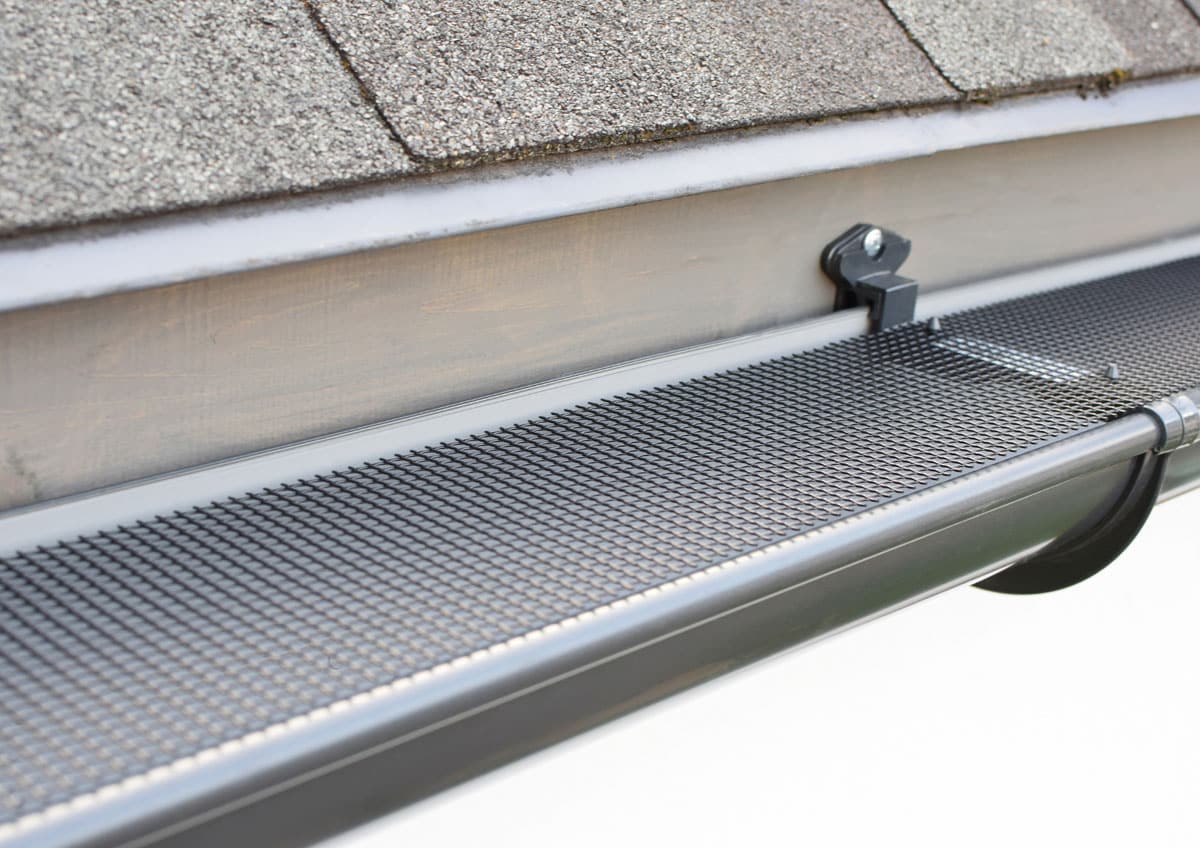
A good visit is not only about removing leaves. It is about restoring the path water is supposed to take, from the roof edge to the gutter, through the downspouts, and away from the home. In practice, that means the crew is usually watching for clogs, standing water, sagging sections, loosened connections, and signs that the system is struggling with the kind of rain Central Florida sees every year.
The first few minutes tell a lot
Most experienced crews can learn a great deal before they ever touch a ladder. A walk around the home usually reveals where trouble is likely to be hiding. Overflow marks on the fascia, streaking on the exterior walls, water lines in the gutter, and wet spots near the foundation all point to how the system behaved in recent storms.
In the Clermont area, trees are often a major clue. Oaks can drop leaves and acorns. Pines shed needles that pack tightly and are notorious for slowing water flow. Small limbs and general yard debris also find their way into roof valleys and gutter runs. Florida landscaping guidance consistently emphasizes keeping that material out of runoff paths because once debris starts catching more debris, drainage gets worse in a hurry.
The roofline itself also shapes the visit. Valleys dump water into concentrated spots. Certain corners collect more windblown material than others. Some downspouts do most of the heavy lifting during a storm, while others stay relatively light. A seasoned gutter contractor Central Florida homeowners trust will usually identify these high-stress areas before cleaning even starts.
Safety and setup come first
This part is not glamorous, but it matters. Gutter work often means ladders, wet debris, awkward reaches, and slick surfaces. Before cleaning begins, the crew typically positions ladders carefully, checks footing, and plans how to move around the home without damaging landscaping or making a mess.
In humid Florida conditions, gutter debris can be heavier than people expect. What looks like a layer of dry leaves from the ground can turn into dense, muddy material once it is scooped out. Pine needles can mat together. Acorns can settle into low spots. Small twigs can lodge at outlets and act like little dams. That is one reason a visit often takes longer than homeowners assume.
If the home has screens or covers already installed, setup may also include checking how those pieces are attached and whether they need to be removed to access the trough underneath. Not every guard style behaves the same way. Mesh, micro-mesh, foam inserts, brush systems, and reverse-curve covers each create different maintenance patterns. Some keep out larger leaves well but still allow grit and small particles to collect over time. Others reduce cleanup frequency but can make inspection more involved.
The actual cleaning is more methodical than most people think
A professional gutter cleaning is usually done in sections, not as one random pass around the house. The crew clears the troughs, checks the outlets, and then verifies that water can move all the way through the downspouts.
The visible part is simple enough. Debris comes out by hand or with tools suited to the buildup. Wet leaf matter, acorns, pine needles, and small limbs are removed so water has an open channel again. But the more important part is what happens next. The crew pays attention to what the debris reveals.
If the material is packed tightly only near one outlet, that suggests a blockage pattern. If mud is settled across a long stretch, water may have been ponding there for a while. If one side is much dirtier than the rest, nearby tree cover or roof runoff https://gutterguardguide575.sagecurrent.com/posts/dunnellon-homes-and-gutter-style-balancing-appearance-drainage-and-maintenance-2 patterns may be overloading that section. Those details help explain whether the home simply needed routine service or whether a repair issue has been making the clogging worse.
The downspouts are a key checkpoint. A gutter can look mostly clean from above and still fail during a storm if the downspout is restricted. Water has to leave the system quickly, especially in a region where a summer thunderstorm can unload a lot of rainfall in a short window. During a proper gutter cleaning Leesburg FL homeowners might recognize, and just as relevant in Clermont, the downspout is not treated as an afterthought. It is part of the whole drainage path.
Flushing and flow testing reveal the hidden problems
Once visible debris is removed, the next step is often some form of water testing. This is where minor problems stop hiding. Water moving through the system shows whether a gutter is pitched well enough to drain, whether an outlet is slowing flow, and whether a joint leaks under real conditions.
A gutter can appear perfectly fine on a dry day and still fail when water volume increases. That is common after Florida’s repeated cycles of rain, humidity, and debris buildup. A section may be just slightly out of slope, not enough to be obvious from the ground, but enough to leave standing water after a storm. Over time, that water attracts more grit, more organic matter, and eventually more clogging.
This is often the point where homeowners get the clearest explanation of what has been happening. Maybe the front corner overflowed because two downspouts were carrying most of the roof water while one outlet was partially blocked. Maybe the back run held water because it had begun to pull away or sag. Maybe the gutter itself was sound, but guards were trapping fine debris on top and causing spillover in hard rain.
These are not dramatic failures, but they are exactly the sort of small issues that a cleaning and repair visit is meant to catch.
What repairs are commonly addressed during the same visit
Not every problem can or should be fixed on the spot, but many can. A routine service call often includes minor repairs that restore performance immediately. In practical terms, repair work usually focuses on the system’s ability to stay attached, stay aligned, and move water without leakage.
A crew may find that one section has shifted enough to affect drainage. Fasteners may have loosened. Connections may need attention if water is escaping where sections meet. An outlet area may need cleanup and adjustment because it has become a repeat clog point. The goal is not cosmetic perfection. The goal is a system that can handle the next heavy rain without dumping water where it should not go.
For homeowners searching for gutter repair Gainesville FL services, or for similar help anywhere across this broader region, that distinction is important. Cleaning alone removes current blockage. Repair addresses the reason the same spot may keep acting up. The best service visits do both when needed, because otherwise you are paying to reset the clock on a recurring issue.
There are also times when a visit reveals that a patch is possible, but replacement would make more sense long term. If a section repeatedly holds water, or if the layout no longer suits the roof runoff pattern, the conversation may shift from repair to system improvement. That is where recommendations like seamless gutter installation Leesburg FL homeowners often ask about, or gutter installation North Florida property owners consider after repeated maintenance problems, enter the picture.
Why seamless systems come up during a repair discussion
Even when you book a cleaning, you may hear about seamless gutters. That is not necessarily an upsell. It often comes up because the crew is looking at how the current system handles water and where maintenance issues tend to develop.
A seamless gutter system reduces the number of joints along a run, and joints are natural trouble spots in any water-handling system. Fewer connection points can mean fewer places for leakage or debris snags to develop. That does not make a system maintenance-free, especially in Florida’s rainy, debris-heavy conditions, but it can simplify performance and upkeep.
For homes in this region, recommendations are usually shaped by practical factors, not trends. If a homeowner has repeated clogging under heavy tree cover, the solution might lean toward gutter guard installation Central Florida homes can benefit from. If the main issue is aging or inefficient gutter runs, then seamless gutters Gainesville FL homeowners commonly request may be the better fit. The right call depends on what the visit uncovers.
Gutter guards are not magic, but they can help
One of the most common questions during a visit is whether gutter guards are worth it. The honest answer is that they can be very helpful, but they are not a one-size-fits-all fix.
There are several common styles on the market, including brush, foam insert, mesh screen, micro-mesh, PVC covers, and reverse-curve designs. Each has strengths and trade-offs. A style that handles broad oak leaves well may behave differently with pine needles or small debris. A product that reduces hand-cleaning may still require inspection and occasional clearing. In a place with frequent thunderstorms and heavy seasonal rainfall, water handling during peak flow matters as much as debris control.
That is why a good recommendation usually starts with the home, not the product. If the roofline sheds a lot of material into one valley, the guard has to deal with concentrated runoff and concentrated debris. If there are oaks dropping leaves and acorns, the design has to resist clogging at the surface. If pine needles are the main issue, fine openings may matter more.
Homeowners looking into gutter guards Gainesville FL providers offer, or considering gutter guard installation Central Florida companies recommend, should expect this kind of nuanced discussion. Anyone promising zero maintenance is overselling it. What guards often do very well is reduce how often gutters fill up with large debris and make regular maintenance more manageable.
What the crew will usually point out before they leave
A helpful service visit ends with a plain-language rundown of what was found. Most homeowners do not need a lecture on drainage theory. They need to know what was removed, what was repaired, what still needs attention, and how urgent the remaining issues are.
The clearest crews usually explain things in terms of storm performance. They might say the gutters are flowing now, but one rear section should be monitored because it holds a little water. Or they may explain that the cleaning solved the immediate overflow, but the house would benefit from guard protection because nearby trees will refill the system quickly. If they believe replacement is a better investment than repeated patching, they should be able to explain why.
A useful post-visit summary often covers a few basics:
- What debris was causing the main blockage
- Whether the downspouts are fully flowing again
- What repairs were completed that day
- Whether any sections should be monitored or replaced
- Whether guards or a seamless upgrade would improve long-term performance
That kind of recap helps homeowners make smart decisions without feeling pressured.
What can change from one property to the next
Two houses on the same street can have very different gutter needs. One may sit under heavy tree cover and need more frequent service because of leaves, pine needles, and acorns. Another may have fewer debris issues but struggle during downpours because a particular section of roof sends too much water to one run. A third may be mostly fine except for one low spot that never drains properly.
This is why generalized advice only gets you so far. In Florida, weather patterns are only part of the story. Yes, summer thunderstorms, tropical moisture, and recurring heavy rain create real drainage demands. But the maintenance picture also depends on tree species, roof layout, past repairs, and whether the gutter system matches the home’s runoff needs.
That is true whether you are talking about gutters The Villages FL homes deal with, gutter cleaning and repair Ocala FL homeowners schedule, or service in Clermont, Leesburg, or Gainesville. The climate creates a shared challenge, but each property expresses it differently.
A quick anecdotal reality check from the field
One of the more common situations in this part of Florida is the house that “only has a little overflow in really heavy rain.” Homeowners often say it casually, as if that means the system is basically fine. Then the visit uncovers a downspout packed with compacted needles and leaf pulp, or a corner where acorns and mud have reduced the gutter’s carrying space by half.
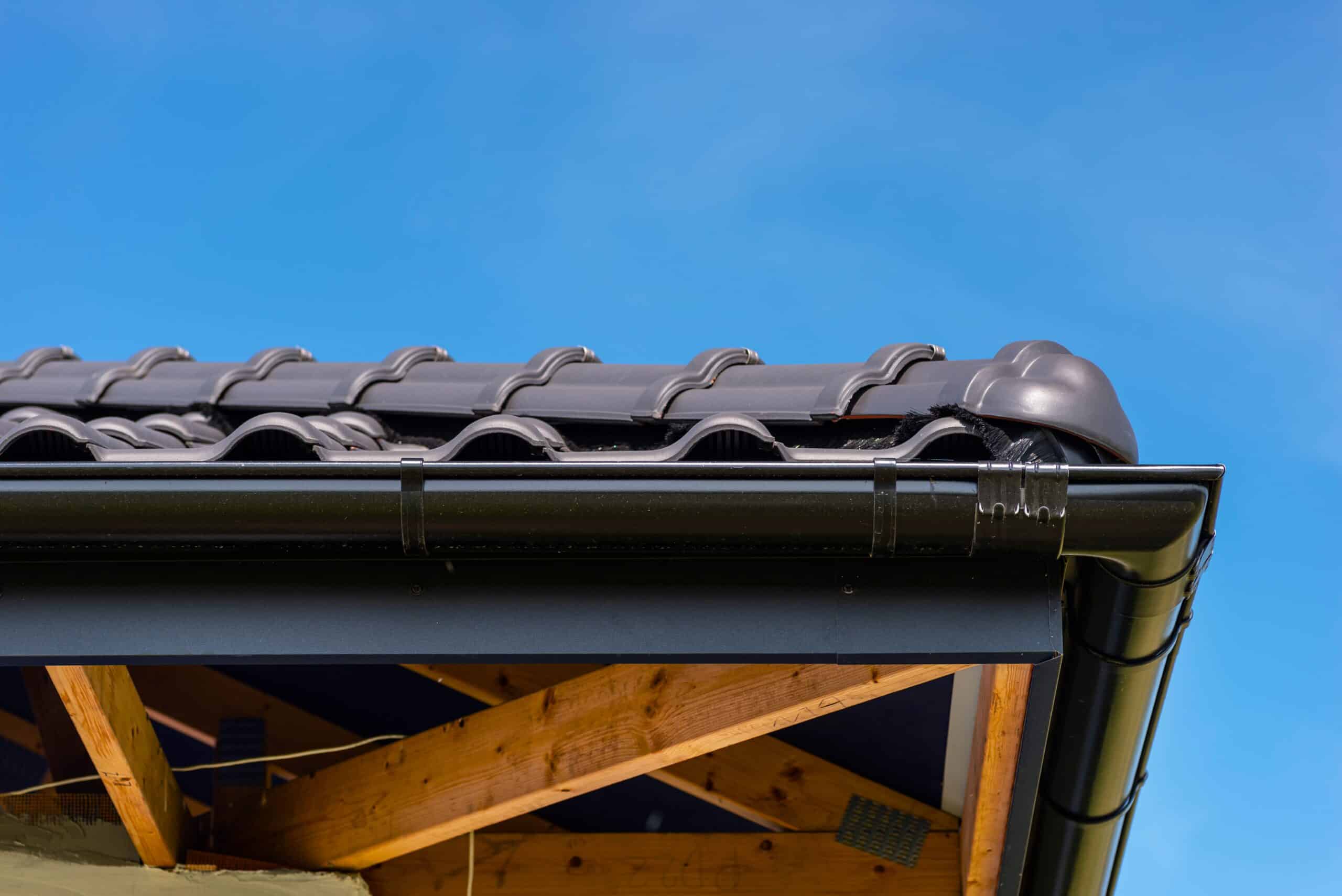
That does not mean the system is failing every day. It means it is operating with less margin than the homeowner realizes. Under ordinary rain, it keeps up. Under one of those sudden summer cloudbursts, it spills over. Those are the cases where a simple cleaning plus a small repair can make a dramatic difference.
The opposite scenario happens too. Sometimes a homeowner assumes the gutters just need a routine cleaning, but the visit shows a section that no longer drains correctly because alignment has changed. In that case, removing debris helps, but only a repair solves the root problem.
When cleaning is enough, and when it is not
A lot of honest gutter work comes down to judgment. Some systems simply need maintenance. If the gutters are secure, draining correctly, and only clogged with normal organic material, a thorough cleaning may be all that is required. That is the ideal scenario and, with regular care, a very manageable one.
At other times, cleaning is only the first step. If joints are leaking, if sections are sagging, or if the system’s design no longer suits the roof runoff, repair or replacement becomes part of the conversation. In those cases, gutter maintenance Florida homeowners keep up with can still reduce damage risk, but maintenance alone will not correct structural or layout issues.
A trustworthy assessment should separate those two categories clearly. Homeowners deserve to know whether they are looking at routine upkeep, a straightforward repair, or a case for bigger changes such as seamless upgrades or added protection.
The bigger goal is predictable drainage
The best outcome from a gutter cleaning and repair visit is not a photo of spotless troughs. It is confidence when the next storm rolls in. In the Clermont area, that is the standard to judge by. Can the system catch roof runoff, carry it quickly, and direct it where it belongs during the kind of heavy rain this region actually gets?
When the answer is yes, the house is in a much better position. Water is less likely to spill over edges, back up at trouble spots, or dump repeatedly near the structure. The gutters are doing their job quietly, which is exactly what you want from them.
That is why these visits matter. They are preventive, but they are also diagnostic. A proper service call clears out leaves, needles, acorns, and built-up muck. It checks flow. It identifies weak points. It handles sensible repairs where possible. And if the home would benefit from upgrades, whether that means seamless gutters Gainesville FL homeowners often choose, gutter cleaning Leesburg FL style routine care, or a thoughtful gutter guard installation Central Florida properties can genuinely use, the recommendation should grow naturally from what the crew actually found on site.
Done right, a gutter visit is not guesswork. It is a practical reset for one of the hardest-working drainage systems on the house.
❧